Business Photography, Video & Drone
Drone Photography for Business: Use Cases, Planning and FAA Rules
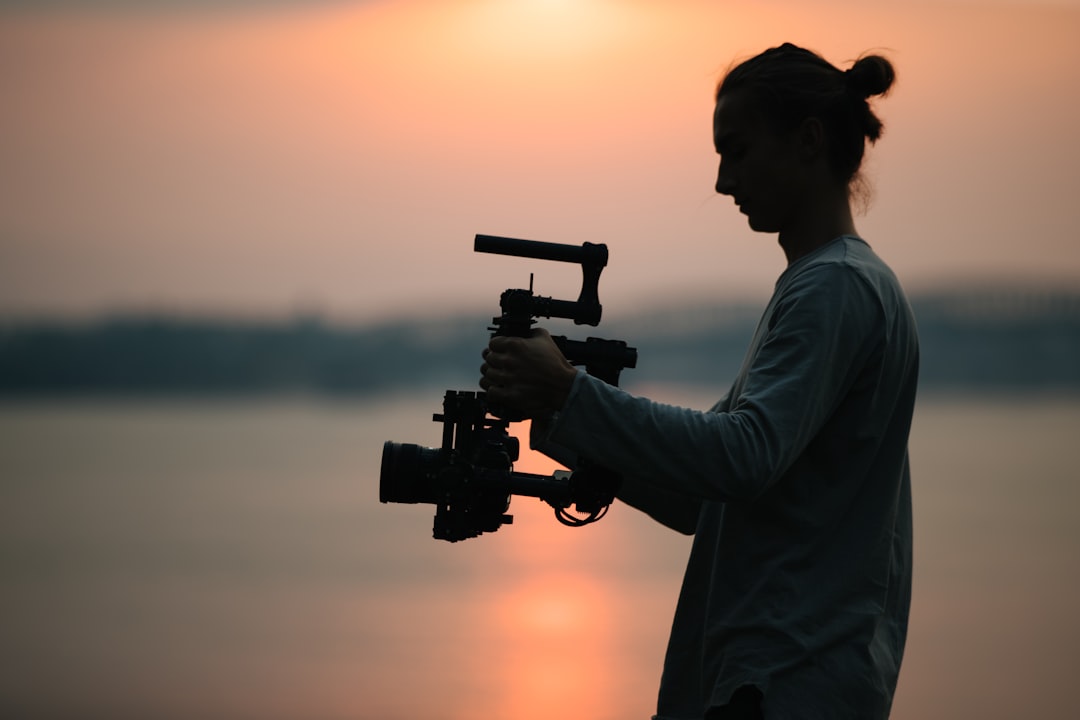
Drone photography for business can show scale, location and perspective that ground-level images cannot. It can be useful for real estate, construction progress, facilities, events, tourism, commercial property and business marketing.
Commercial drone work should be planned around the visual goal and the operating environment—not treated as a casual add-on.
Choose a Clear Use Case for Drone Photography for Business
Decide what the aerial image needs to communicate. A property overview, roof context, construction progress record and cinematic brand shot require different altitudes, angles, timing and deliverables.
Understand Commercial Drone Rules
In the United States, many commercial small-drone operations fall under FAA Part 107. The remote pilot and operation must comply with applicable rules, airspace requirements and operating limitations. Some situations require authorization or a waiver.
Do not assume that owning a drone makes every location or flight legal.
Check Airspace and Location Restrictions
Before the shoot, review the airspace, nearby airports, temporary flight restrictions, sensitive facilities and any local site restrictions. Confirm whether the property owner or event organizer has rules that affect takeoff, landing or access.
Plan Around Weather and Light
Wind, rain, visibility and changing light can affect both safety and image quality. Build flexibility into the schedule when aerial imagery is important.
Create a Ground and Air Shot List Together
Drone photography for business is strongest when aerial footage complements ground photography rather than replacing it. Plan establishing shots, approach views, overheads and reveal shots alongside the normal photo or video coverage.
Protect People and Property
Commercial operations require attention to people, traffic, obstacles, moving vehicles and emergency contingencies. The safest shot is more important than the most dramatic shot.
Use Aerial Footage Where It Adds Meaning
Useful applications include showing a facility footprint, nearby access, construction progress, a large event layout, property improvements, outdoor amenities or the scale of a business operation.
Aerial footage should not be inserted into every video simply because it looks impressive.
Plan Deliverables and Crops
Specify whether the business needs still photos, 4K video, horizontal footage, vertical-ready framing, raw files or edited clips. This affects flight planning and post-production.
Connect Drone Media to the Marketing System
Review Business Photography and Video for the broader media strategy. For combined photo, video and drone production, see Nacluv Tech Media Services.
The Bottom Line
Drone photography for business is valuable when aerial perspective helps explain the property, project or brand. Start with a clear use case, comply with applicable FAA requirements, plan the flight environment and capture footage that supports the business objective.