SEO & AI Search Visibility
SEO vs. AEO vs. GEO: What Do These Search Strategies Actually Mean?
SEO vs. AEO vs. GEO is increasingly discussed as businesses compare visibility across traditional search engines, answer engines, and generative AI systems. The labels can be useful, but they can also make businesses think they need three completely separate strategies.
In practice, the strongest approach is one connected search-visibility system built on useful content, crawlable websites, clear entities, strong internal structure, credible evidence, and information that search systems can understand and trust.
SEO vs AEO vs GEO: Start With SEO
Search engine optimization (SEO) is the practice of improving a site’s ability to be discovered through search engines. It includes:
- technical crawling and indexing;
- keyword and intent research;
- useful content;
- on-page structure;
- internal links;
- structured data where appropriate;
- links and authority;
- page experience;
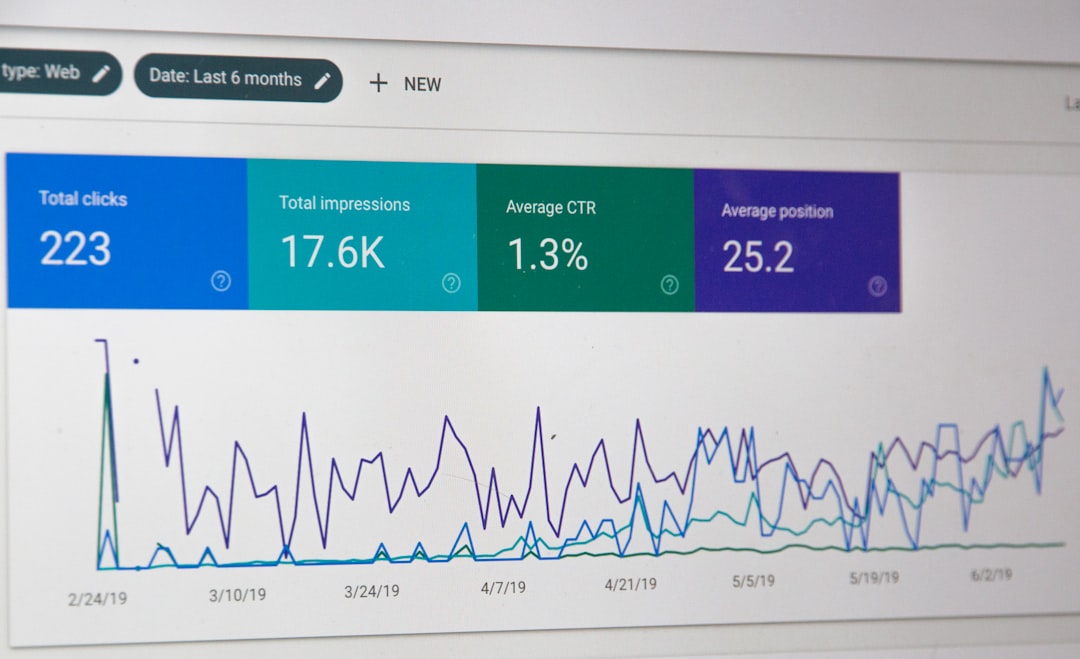
- measurement through tools such as Search Console.
SEO is broader than “ranking blue links.” Those same foundations influence whether content is eligible to appear across newer Google search experiences.
What Is AEO?
Answer engine optimization (AEO) is a term commonly used for making content easy for systems to extract, summarize, or present as direct answers. It can apply to featured snippets, voice assistants, AI answers, and question-based search experiences.
Typical AEO practices include:
- answering questions directly;
- using clear headings;
- defining terms precisely;
- organizing steps and lists logically;
- supporting claims with evidence;
- using structured data when it accurately represents the page.
Those are not replacements for SEO. They are good content and information-architecture practices within SEO.
What Is GEO?
Generative engine optimization (GEO) is a newer industry term for improving visibility in generative AI experiences such as AI-generated search answers and conversational assistants.
GEO discussions often emphasize:
- being cited by AI systems;
- clear facts and entities;
- original research or firsthand information;
- strong brand mentions across the web;
- content that is easy to summarize;
- current information;
- authoritative external references.
But Google explicitly says there is no special technical requirement, special schema, or separate AI file needed to appear in AI Overviews or AI Mode. The same foundational SEO best practices continue to apply.
Where the Three Overlap
All three benefit from:
- content that satisfies real user intent;
- clear page structure;
- accurate, well-supported facts;
- crawlable and indexable pages;
- strong internal links;
- descriptive titles and headings;
- credible external references;
- brand/entity consistency;
- useful original information.
The overlap is much larger than the differences.
What Changes With AI Search?
AI systems can synthesize information from multiple sources rather than returning only a list of links. That changes how visibility may be measured and how customers discover brands.
A business may receive value when its information is:
- linked as a source;
- mentioned or cited in an AI response;
- used to support a comparison;
- discovered through a follow-up question;
- surfaced as a preferred or authoritative source.
This creates a stronger reason to publish distinctive facts, useful explanations, expert context, and content that deserves citation.
Do You Need Special “AI SEO” Schema?
No. Use structured data that accurately describes the content using supported Schema.org types and Google’s guidelines. Do not add invented schema types or hidden text just because someone markets them as an AI-search shortcut.
Do You Need an LLMs.txt File?
Some publishers experiment with additional machine-readable files, but Google currently says no special AI file is required for AI Overviews or AI Mode. Focus first on the same technical foundations required for normal Search: crawlability, indexability, useful content, and accurate structured data where appropriate.
What About ChatGPT, Perplexity, Gemini, and Copilot?
Each platform has its own retrieval, indexing, browsing, partnership, and citation systems. A business cannot optimize them all through one guaranteed formula.
The durable strategy is to create information that is:
- publicly accessible;
- technically discoverable;
- specific and useful;
- well sourced;
- associated consistently with the brand;
- mentioned by credible third-party sources.
A Practical Search-Visibility Framework
- Technical SEO: make the site crawlable, indexable, fast, and structurally clean.
- Topical authority: cover the subject deeply with connected pages.
- Answer quality: give direct, useful answers before adding sales copy.
- Entity clarity: keep the business name, services, people, locations, and relationships consistent.
- Evidence: cite primary sources and add original examples, data, or experience.
- Authority: earn relevant mentions and links outside the site.
- Measurement: track search traffic, AI referrals where visible, citations, leads, and conversions.
Common Mistakes
- treating GEO as a replacement for SEO;
- mass-producing hundreds of shallow Q&A pages;
- adding unsupported statistics to look authoritative;
- using fake author biographies or experience;
- creating special markup that does not match visible content;
- ignoring crawlability while chasing AI citations;
- measuring only rankings when discovery is becoming more fragmented.
The Bottom Line
SEO, AEO, and GEO describe different emphasis points inside the same broader goal: make valuable business information discoverable, understandable, trustworthy, and useful across search systems.
For the complete framework, read SEO and AI Search Visibility: The Complete 2026 Guide.