
Computer Recycling & IT Asset Disposition
Business E-Waste Recycling: What Can Be Recycled and What Needs Special Handling?
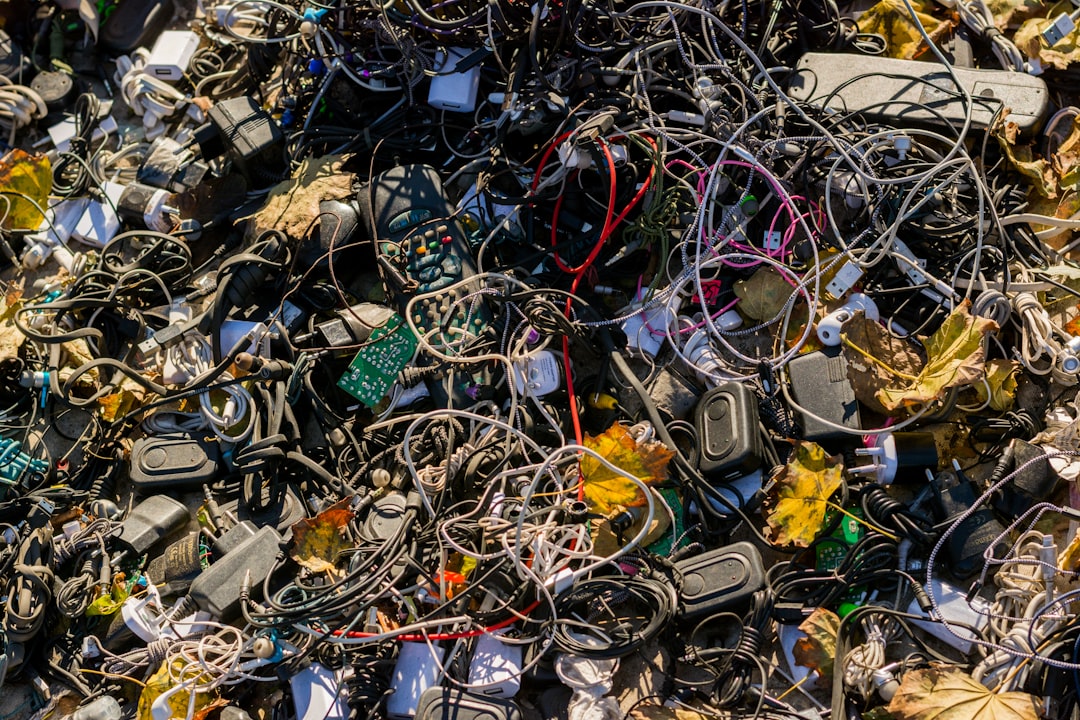
Business e-waste recycling is not a single-bin disposal process. Offices retire computers, monitors, phones, network hardware, batteries, peripherals and other devices with different reuse value, data risk and handling requirements.
Start Business E-Waste Recycling With Reuse
Equipment that still works may have value through redeployment, refurbishment, resale or donation after ownership and data-security requirements are satisfied. Reuse can extend product life and reduce unnecessary disposal.
Separate Data-Bearing Devices
Computers, servers, phones, tablets and storage devices require a defined data-sanitization decision before they leave business control. Do not mix data-bearing assets into a general electronics pile without a security plan.
Handle Batteries as a Separate Material Stream
Lithium-ion and other batteries can create fire and transportation risks when damaged, crushed or improperly packaged. Keep batteries and battery-containing devices in the correct collection and shipping process for the provider being used.
Displays and Older Electronics May Need Special Handling
Some older electronics contain materials that require careful management. EPA notes that electronics can contain substances such as lead, mercury, cadmium and other materials that should not be handled as ordinary trash.
Common Business Electronics That May Enter the Recycling Stream
- desktop and laptop computers;
- servers and storage equipment;
- monitors and displays;
- printers and scanners;
- phones and tablets;
- network switches, routers and access points;
- keyboards, mice and cables;
- UPS units and batteries;
- small office electronics and accessories.
Confirm What the Recycler Actually Accepts
Acceptance lists vary. Some providers exclude certain batteries, damaged devices, large appliances or specialty equipment. Confirm the material list before scheduling a business e-waste recycling pickup.
Ask About Certified Downstream Recycling
EPA recommends certified electronics recyclers for businesses and recognizes R2 and e-Stewards as accredited certification standards. Ask how your provider manages downstream partners, data security and non-reusable material.
Follow Applicable State and Local Requirements
Electronics and battery rules vary by location and material type. Businesses should check applicable state and local requirements, especially for large quantities or regulated materials.
Document Large or Sensitive Projects
For routine low-risk equipment, a simple inventory may be sufficient. Larger organizations or sensitive environments may need serial-level records, chain of custody, sanitization evidence and disposition documentation.
Connect Recycling to a Complete ITAD Workflow
Read IT Asset Disposition Process and Data Destruction Before Computer Recycling. For local pickup and recycling information, review Nacluv Tech Computer Recycling Services.
The Bottom Line
Business e-waste recycling works best when equipment is sorted by reuse value, data risk and material type before pickup. Keep data-bearing devices controlled, separate batteries appropriately and verify the downstream recycling process.